 For Boards
November 5, 2026 · 9 min read
How to Choose an HOA Management Company in Los Angeles: 12 Questions to Ask
Fees, certification, collections, insurance and contract terms: what to ask before you hire or switch managers.
Read article
9555 Owensmouth Ave #1A
Chatsworth, CA 91311
info@hoamanagementgroupllc.com
Mon – Fri: 9:00am – 5:30pm
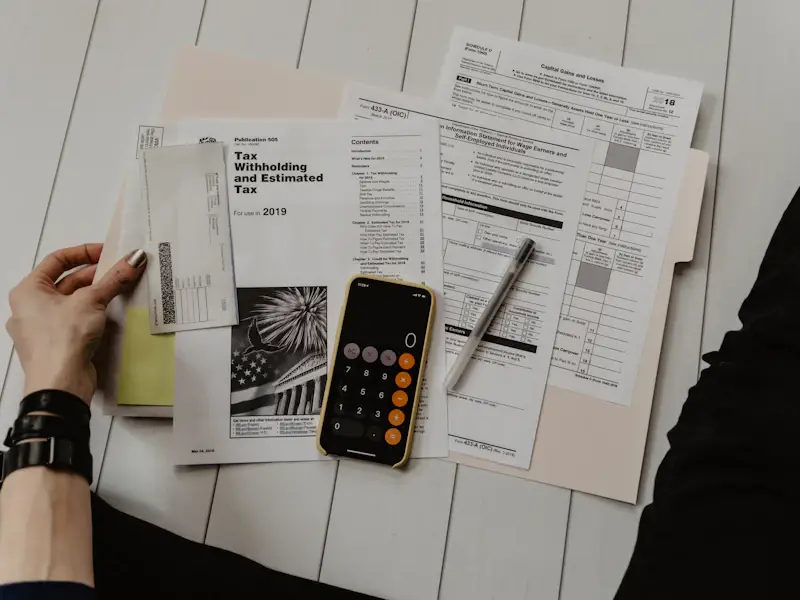
What the Davis-Stirling Act requires of your association’s reserve study, funding plan and disclosures, and how boards stay on the right side of it.
Every roof, pool, parking lot and paint job in your community will need to be replaced someday. Reserves are how an association saves for those days, and the reserve study is the plan that tells the board how much to save.
When reserves fall behind, the bill does not disappear. It arrives later as a large special assessment, a loan, or deferred maintenance that lowers property values. California’s Davis-Stirling Act sets specific rules for reserve studies so boards plan ahead. Here is what those rules require, in plain English.
A reserve study has two parts:
Under Civil Code §5550, the board must have a reserve study prepared at least once every three years if the current replacement value of the major components the association is obligated to repair, replace, restore or maintain is at least half of the association’s gross budget (not counting the reserve contribution). Most California associations meet that threshold.
The three-year study must include, at a minimum, a diligent visual inspection of the accessible areas of the major components. An update prepared from old data without anyone walking the property does not satisfy the three-year requirement.
In the years between full studies, the board must review the study every year and make any adjustments it considers necessary to its analysis of the reserve account requirements. In practice, most associations ask their reserve specialist for an annual update that reflects actual spending, current costs and the new reserve balance.
Section 5550 lists the minimum contents of the study:
Civil Code §5560 requires the funding plan to show how the association will pay for each component when it comes due, including the timing and amount of any assessment increases or special assessments. The board adopts the plan at an open board meeting. Any assessment increase the plan calls for is still subject to Civil Code §5605: without a vote of the members, a board generally cannot raise regular assessments more than 20% over the prior year or levy special assessments totaling more than 5% of the budgeted gross expenses for the year, except in defined emergencies.
At least once every quarter, the board must review the current reconciliation of the operating and reserve accounts, reserve revenues and expenses compared with the budget, the latest account statements from the financial institutions, and an income and expense statement for both accounts (Civil Code §5500). Your management company should prepare this package; the board must actually review it.
Reserve funds may only be used for the repair, restoration, replacement or maintenance of the major components they were collected for, and withdrawals require two signatures (Civil Code §5510). The board may temporarily transfer reserve money to the operating account for short-term cash-flow needs, but only after giving notice in the meeting agenda, and the money must generally be repaid within one year (Civil Code §5515). Using reserves for litigation triggers separate notice requirements to the members (Civil Code §5520).
The annual budget report, distributed 30 to 90 days before the end of the fiscal year, must summarize the association’s reserves based on the most recent study or review (Civil Code §5300). It must include the Assessment and Reserve Funding Disclosure Summary form (Civil Code §5570), which tells owners the current reserve balance, the amount the study says should be on hand, the percent funded, and any special assessments or increases the board expects.
Percent funded compares the actual reserve balance with the “fully funded” balance: the share of each component’s replacement cost that has already been used up by age. An association with $300,000 in reserves and a fully funded balance of $600,000 is 50% funded.
The law does not require a specific percentage, but a commonly used rule of thumb in the industry is:
Lenders, insurers and home buyers increasingly look at this number, so it affects owners even if they never read the study.
Reserve professionals generally describe three levels of study:
Many California associations must also have balconies, decks, stairways and other elevated elements inspected by a licensed professional under Civil Code §5551 (often called the SB 326 inspections). This is a separate legal requirement from the reserve study, but the findings belong in it: repairs identified by the inspector need to be funded. See the balcony inspection chapter of our Board Member Training Guide for details.
We prepare annual budgets with a reserve analyst on staff, coordinate reserve studies and updates with qualified specialists, and give boards the quarterly reconciliation package the law requires. Our managers track the three-year inspection and annual review deadlines so they are never missed, and we explain the numbers to owners in plain language when the budget goes out. Learn more on our HOA management services page, or contact us for a free proposal.
This article is general information for California homeowners associations and is not legal advice. Laws change; consult your association’s attorney or reserve specialist about your specific situation.
For Boards
November 5, 2026 · 9 min read
Fees, certification, collections, insurance and contract terms: what to ask before you hire or switch managers.
Read article Guide
40 chapters
Duties, meetings, elections, records and enforcement under the Davis-Stirling Act, chapter by chapter.
Read the guide Services
Full-service & financials-only
Accounting, collections, maintenance, board support and compliance, with no setup or termination fees.
See our servicesTell us about your community. We respond by the end of the next business day.